Shared Beliefs of the Abrahamic Religions
Judaism, Christianity, and Islam make up what are called the Abrahamic religions. For the last couple of thousand years, there has often been conflict between the Abrahamic religions. As a result, many people think that they are very different, but there are actually many shared beliefs between Judaism, Christianity, and Islam. These shared beliefs, customs, and traditions include the importance of prayer, celebrations, charity and cleanliness, and pilgrimage.
Abraham
Most importantly, Judaism, Christianity, and Islam are called the Abrahamic religions because of their origins. All Jews, Christians, and Muslims believe that God made a covenant, or agreement, with Abraham. This covenant made sure that believers would keep faith in God and worship Him and that this practice of worship would continue for generations. In return, God would protect the children, grandchildren, and great-grandchildren of Abraham. This covenant became the legacy, or trust, for the children of Abraham to continue.
Abraham had two sons, Ishmael and Isaac. He settled them in different parts of the Arabian Peninsula: Isaac near Jerusalem and Ishmael near Mecca. The descendants of Isaac became Jews and Christians, and the descendants of Ishmael became Muslims. Both Isaac and Ishmael are important for all the Abrahamic religions.
The most important part of Abraham’s story is his faith and obedience to God. The book of Genesis, which both Judaism and Christianity use, tells this story. God calls to Abraham, and he replies “Here I am.” Obedience to God very important in Islam as well. When Muslim pilgrims say “Labaik! Allahuma labaik!” as they approach the sanctuary at Mecca — which they believe Abraham built — they are repeating, “Here I am, Lord, at Your Command!”
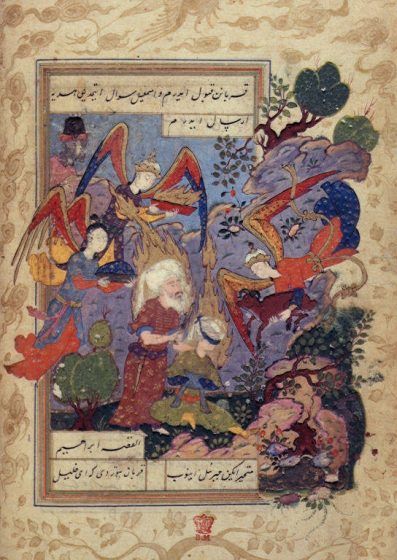
Another important part of Abraham’s story is central to the shared beliefs of the Abrahamic religions. In this story, God tells Abraham in a dream to sacrifice his son. Abraham and his son were ready to obey this divine command. But, instead, God redeemed the sacrifice with a magnificent ram. This miracle meant that God does not require human sacrifice, but only the willingness to obey.
While the story is the same among the monotheistic traditions, the Bible and Quran interpret it slightly differently. The story in the Bible says that the son to be sacrificed was Isaac, while the Quran says it was Ishmael. The lesson of obedience and strength of faith, however, is the same.
Celebrations
Each Abrahamic faith observes a few major celebrations throughout the year. Both Judaism and Islam follow a lunar calendar for the timing of these celebrations. A lunar cycle follows the phases of the moon, which means that the celebrations happen at a different time every year. Some Christian feast days are also influenced by the lunar calendar.
Key Jewish celebrations include Rosh Hashanah, Yom Kippur, Passover, Shavuot, Sukkot, Chanukkah, and Purim. These celebrations recall events in the dramatic history of the Jewish people.
Key Christian celebrations include Advent, Christmas, Lent, Good Friday, Easter, and Pentecost. These celebrations honor the events in the life of Jesus Christ. Jesus is an important prophet in both Christianity and Islam, and both religions believe that he is the Messiah.
Key Islamic celebrations include Ramadan and Eid al-Fitr; Hajj and Eid al-Adha. Ramadan is considered a holy month of fasting and is commanded in the Quran. Muslims abstain from eating or drinking from sunrise to sunset during that month. They also focus on forgiveness and special prayers.
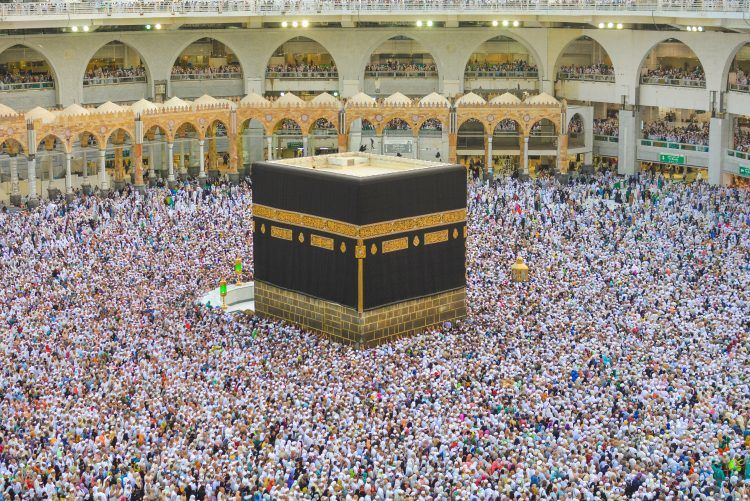
The feast day that ends Ramadan is called Eid al-Fitr. The ritual journey, or pilgrimage, to Mecca called the Hajj and Eid al-Adha both commemorate events in the life of Abraham and his family.
Fasting — going without food or certain kinds of foods — for a period of time is a common form of worship in the Abrahamic tradition. Fasts are often related to holy days in Judaism, Christianity, and Islam. Each of the Abrahamic religions has days of fasting, in which people deny themselves the ordinary necessities of life for a time of remembrance — and feast days of thankfulness. Sharing food and other gifts with family, neighbors, and needy people are common ways to celebrate these days. People also attend special services of worship as part of these celebrations.
Prayer
Belief in the need to worship God is common to all religions. The most basic form of worship is prayer. Each tradition prescribes specific words and requirements for prayer, which takes place at appointed times of day. Public prayer in houses of worship is common to all three faiths: for Jews on Saturday, for Christians on Sunday, and for Muslims on Friday, and during celebrations throughout the year.
Another of the shared beliefs of Judaism, Christianity, and Islam is the recognition of the personal and private prayer of each believer. What’s more, the desire to speak with God is common among people everywhere, whether they follow a particular religious tradition or not.
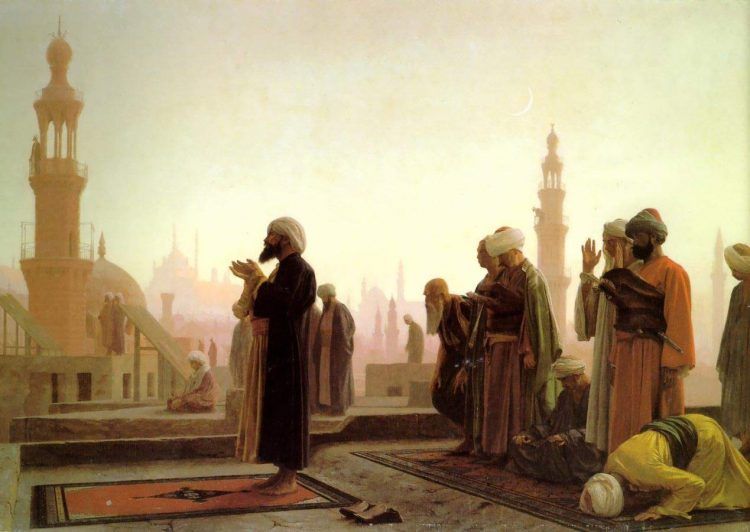
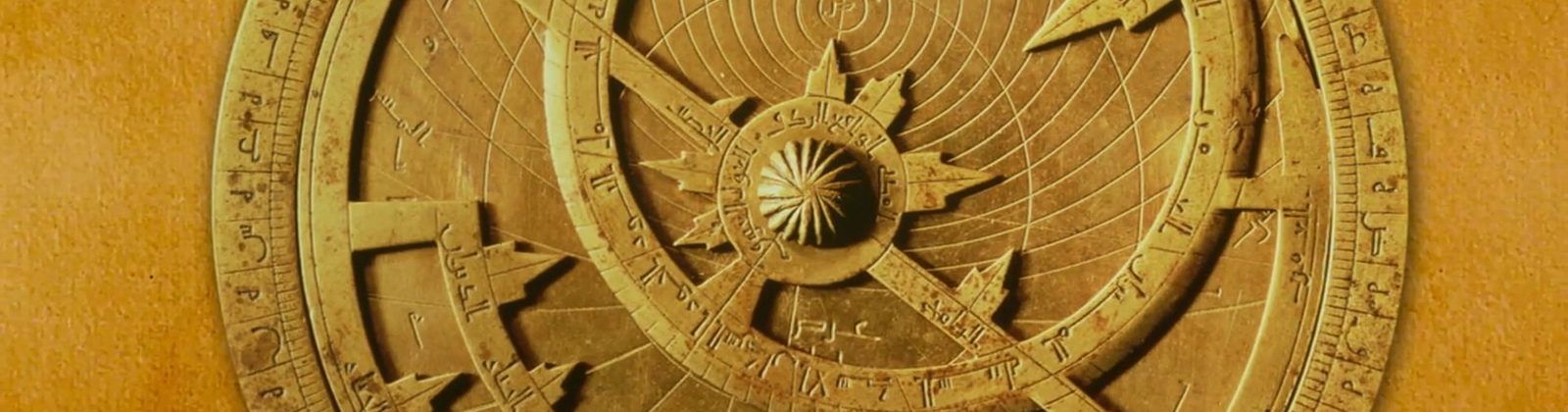
According to most adherents of the Abrahamic faiths, prayers marking the times of day and the yearly cycle are among the most important signs of obedience to God. Such rituals are also the source of scientific efforts to achieve accurate timekeeping and calendars. The work of Jewish, Christian, and Muslim astronomers reflects this common and shared effort.
Charity and Purification
Another common practice in the Abrahamic tradition is giving charity as an act of kindness, to help the poor, or as a way to make up for bad deeds. The idea that wealth is purified through giving is also common to the three traditions.
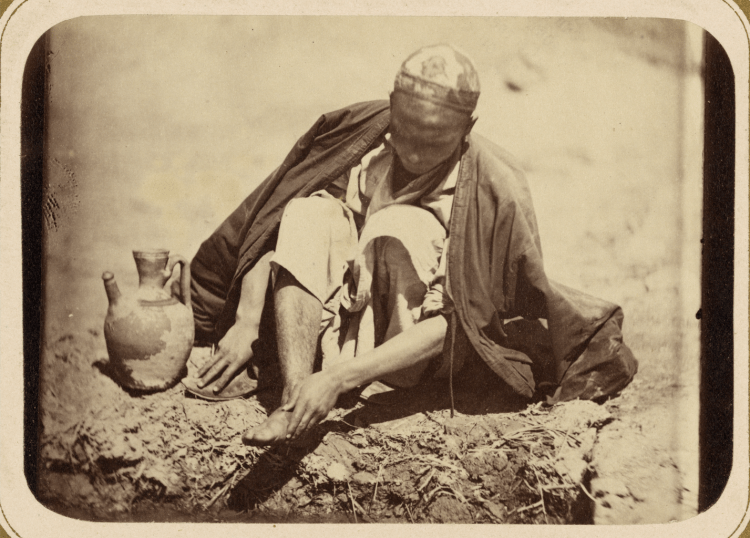
Water also has a spiritual significance in the Abrahamic faiths. Purification of the body before prayer and in connection with other rituals is a common theme.
Pilgrimage
The three faiths also share similar concepts of a pilgrimage. Adherents of these faiths journey in search of knowledge to holy sites. There, they seek forgiveness and strengthen their connection with God.
However, each pilgrimage involves different destinations. Muslims make a pilgrimage to Mecca at least once in a lifetime, as one of Islam’s five pillars of faith. Christians celebrate a long tradition of visiting the holy land and other shrines. Meanwhile, Jews travel to the site of the temple in Jerusalem as a pilgrimage destination.
Individuals and communities follow ethical, practical, and religious laws. They also participate in worship. Leaders are those who are specially trained in the knowledge of the faith and care of the community and its members. They play roles in guiding the faithful.
In Judaism, a Rabbi is a religious leader. Rabbis receive rigorous training in the scriptures and other Judaic writings. The word in Hebrew means “my master.” Rabbis preside over Jewish congregations in houses of worship called synagogues.
In Christianity, priests and pastors serve as part of a church hierarchy, or ranks of authorities. Only trained, ordained, or initiated priests can fulfill certain sacred functions of worship for the lay, or ordinary, people. Priests and pastors preside over Christian congregations in houses of worship called churches.
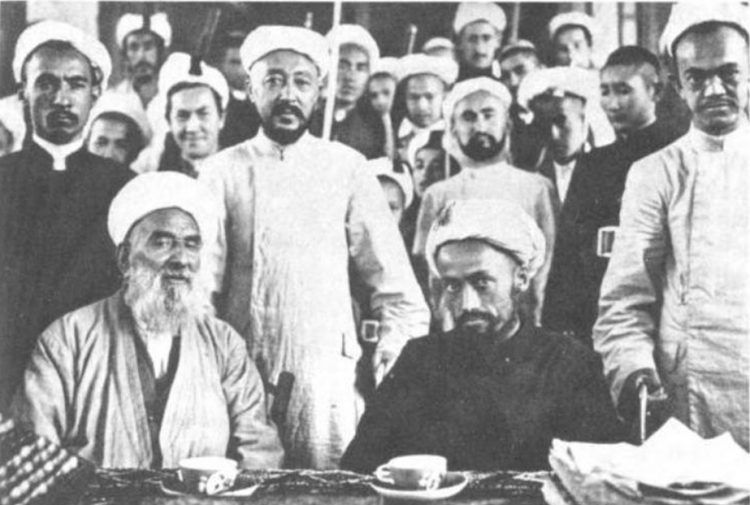
In Islam, there is no priesthood, ordination, or religious hierarchy. A prayer leader is an imam, which means “one who stands in front” of the lines of worshippers. Imams can lead prayers for groups of men and women in Muslim houses of worship called mosques.
Leaders who offer advice on how to practice Islam, on the law, and other kinds of guidance are called alim (sing., AH-lim) or ulema (pl., oo-leh-MA). The word means “one who has knowledge.”
Learn more about the shared beliefs of Judaism, Christianity, and Islam here.